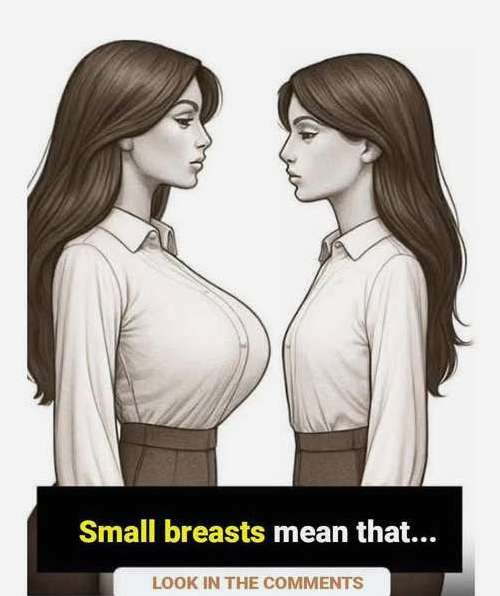
When it comes to discussions about body image and health, breast size is a frequent topic—often surrounded by myths, societal expectations, and shifting beauty standards. But how do we define small or large breasts from a medical and anatomical perspective? And do smaller breasts offer any advantages beyond current fashion trends?

This article explores breast size in relation to physical structure, societal perception, and health implications, all backed by evidence-based sources.
Defining Breast Size: What’s Considered Small or Large?
There is no universal medical consensus on what constitutes “small” or “large” breasts. However, some general frameworks exist. Breast size is commonly described by bra sizing, which typically includes a band measurement (e.g., 85 cm or 34 inches) and a cup size (A, B, C, etc.). While subjective, sizes under 85 cm in band measurement with smaller cup sizes (such as A or B) may be categorized as small, and sizes over 100 cm with larger cups (such as D or above) may be seen as large in many cultures.
It’s essential to note that breast size must be evaluated in proportion to a woman’s overall body frame—including height, weight, and shoulder width. For example, a size 100 cm chest measurement might appear large on a petite person but proportionate on someone taller with a broader frame.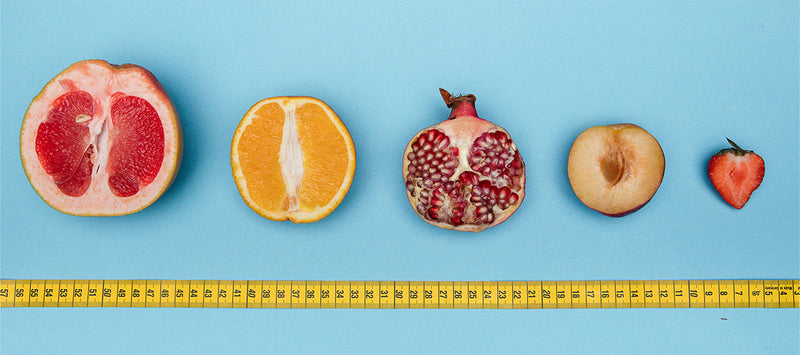
Trends in Beauty: The Rise of Natural Appearance
Over the decades, fashion and media have strongly influenced public perceptions of the “ideal” breast size. In the past, fuller busts were often glorified in popular culture, but in recent years, the trend has shifted toward embracing natural body types, including smaller breasts.
Celebrity influence, fashion models, and a growing body positivity movement have all contributed to redefining beauty standards. The focus has moved from exaggeration to authenticity and comfort. This has led to a rise in confidence among individuals with smaller chests and a reevaluation of the benefits of having a smaller bust.
Health Advantages of Having Small Breasts
1. Reduced Risk of Back and Neck Pain
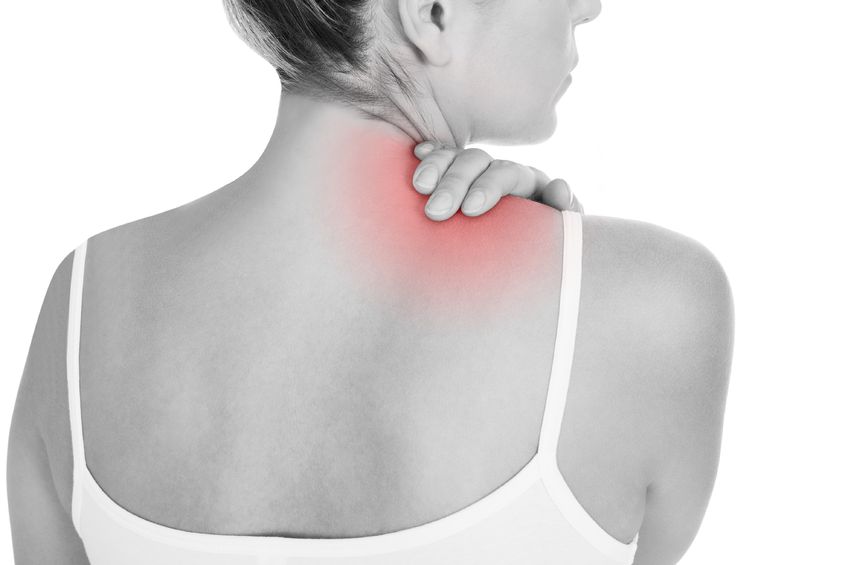
One of the most notable physical benefits of having smaller breasts is the reduced strain on the back, neck, and shoulders. According to a study published in The Clinical Journal of Pain, women with larger breasts (particularly those with macromastia, a condition involving excessively large breasts) are more likely to suffer from chronic pain in the cervical and thoracic spine regions.
Heavy breast tissue places added weight on the upper torso, which can lead to poor posture, muscle strain, and spinal misalignment. In contrast, smaller breasts exert less force on the musculoskeletal system, reducing the likelihood of these complications.