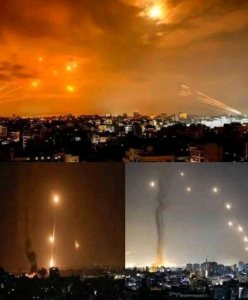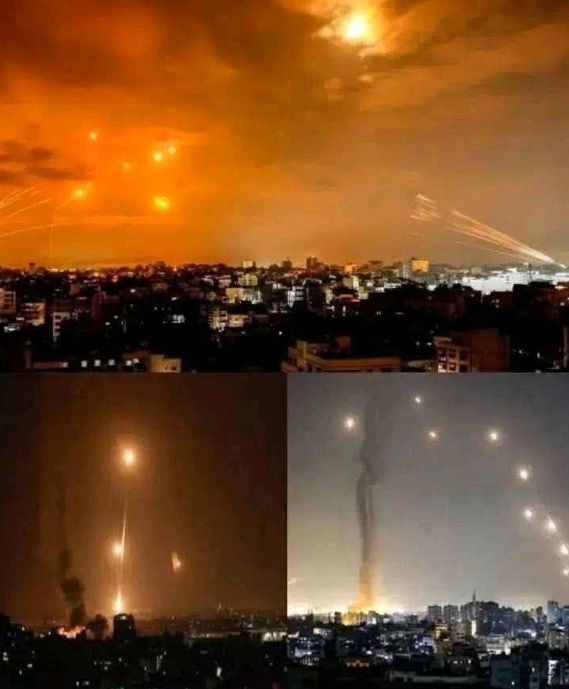
ew phrases hit harder than “Maximum Global Alert” and “War Begins.” They trigger fear, urgency, and a rush to find out what’s going on. In today’s digital world, a headline like this can spread in minutes—faster than facts can catch up. But what does a declaration like this actually mean? And how do we separate real danger from sensationalism?
Let’s break it down calmly and clearly.
The Power of a Scary Headline
Headlines are designed to stop your scroll. Words like breaking, alert, war, and global push emotional buttons. They suggest:
• Something sudden
• Something massive
• Something you must know right now
But urgency doesn’t always equal accuracy.
In many cases, these headlines exaggerate a real but limited event—a military skirmish, a political standoff, a speech, or a threat—into something that sounds like World War III has started.
What “Maximum Global Alert” Usually Means
There is no single official system where the whole world flips a switch labeled “Maximum Global Alert.” Instead, different countries and organizations have their own alert levels:
• Militaries raise readiness
• Governments issue travel warnings
• Intelligence agencies increase monitoring
• Media outlets increase coverage
When a headline says “Maximum Global Alert,” it usually means:
 Tensions are high Something serious happened Governments are watching closely The situation is unstable
But it does not automatically mean full-scale global war has begun.
How Real Wars Usually Start (And How They Don’t)
Contrary to movies, wars rarely begin with one dramatic announcement. They usually build over time:
• Long-standing political conflict
• Economic pressure
• Territorial disputes
• Military posturing
• Sanctions and threats
• Proxy conflicts
Then something tips the balance—a strike, an invasion, or a collapse of diplomacy.
By the time war truly “begins,” experts have already been warning about it for months or even years.
So when you see a sudden headline saying “War Begins” with no clear details, that’s a red flag 
Why Social Media Makes It Worse
Platforms reward emotional reactions:
• Fear = clicks
• Anger = shares
• Shock = comments
So some outlets stretch the truth. A regional conflict becomes “global.” A threat becomes “war.” A speech becomes “the end.”
That doesn’t mean nothing is happening—but it means you should slow down before believing the most dramatic version of the story.
What a Real Global War Would Look Like
If an actual global war began, you would see:
• Multiple nations officially declaring war
• Emergency meetings at the United Nations
• Global market crashes
• Airline shutdowns
• Mass mobilization of troops
• Worldwide emergency broadcasts
Not just one headline saying “See more.”
Real war doesn’t hide behind clickbait.
So What’s Most Likely Happening?
In cases like this, it’s usually one of these:
-
A regional conflict has escalated
-
A major power issued a strong military warning
-
There was a military strike or exchange
-
Diplomatic talks collapsed
-
A defense system went on higher alert
All serious—but not the same as “the world is at war.”
Why These Stories Spread So Fast
Humans are wired to react to danger. Our brains treat threat headlines like survival signals.
So when you see:
“ BREAKING: WAR BEGINS”
Your nervous system responds before your logic does.
That’s why these headlines go viral—even when they’re misleading.
How to Read War News Smartly 
When you see a dramatic alert, ask:
 Who is reporting this? Are multiple trusted outlets saying the same thing? Is there confirmation from official sources? Are details clear—or vague and emotional?
If the story is all drama and no facts, it’s likely inflated.
The Real Cost of War Talk
Even when exaggerated, constant war headlines have real effects:
• Increased anxiety
• Fear-driven decisions
• Misinformation
• Social tension
• Political manipulation
People begin living in crisis mode—even when no global crisis exists.
That’s not healthy.
What You Should Do Instead
If you care about world events:
• Follow reliable news sources
• Avoid “See more” trap headlines
• Look for context, not just shock
• Stay informed without staying afraid
Being aware is good. Being constantly alarmed is not.
Final Thoughts
“Maximum Global Alert: War Begins” sounds terrifying—but most of the time, it’s not the whole truth.
The world is always facing tension. Always navigating conflict. Always balancing on fragile diplomacy. But true global war doesn’t arrive in silence or secrecy—it arrives with undeniable, unmistakable reality.
So the next time you see a headline like this, remember:
 Fear spreads faster than facts.
 Calm thinking beats panic.
 Knowledge beats noise.
And no matter how loud the headline is, the truth is usually quieter—and more complicated—than the clickbait wants you to believe.