

In today’s age of sexual freedom and evolving relationship dynamics, conversations around sexual health are more important than ever. While casual relationships are increasingly normalized, the risks tied to them—especially the human papillomavirus (HPV)—are often overlooked.
This article explores how having multiple female partners can increase the likelihood of HPV transmission in men, what HPV is, why it matters for male health, and the steps one can take to stay protected. With HPV being one of the most common sexually transmitted infections (STIs) globally, the discussion is not just relevant—it’s critical.
What Is HPV and Why Should Men Be Concerned?
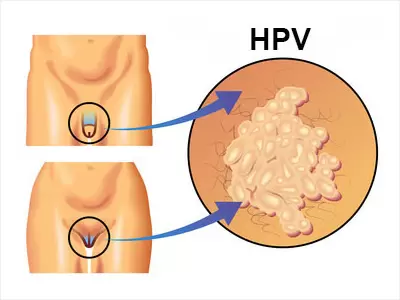
Human papillomavirus (HPV) is a group of over 200 related viruses, with at least 40 of them transmitted through direct sexual contact. While some strains are harmless and clear up on their own, others can lead to serious health issues.
In women, HPV is widely known for its link to cervical cancer. However, men are not immune to the consequences of HPV. The virus can cause genital warts and, in some cases, lead to cancers of the throat, anus, and penis.
The Centers for Disease Control and Prevention (CDC) estimates that nearly all sexually active individuals will contract HPV at some point in their lives. For men who have multiple female partners, the risk increases substantially due to greater exposure to the virus.
How Is HPV Transmitted?
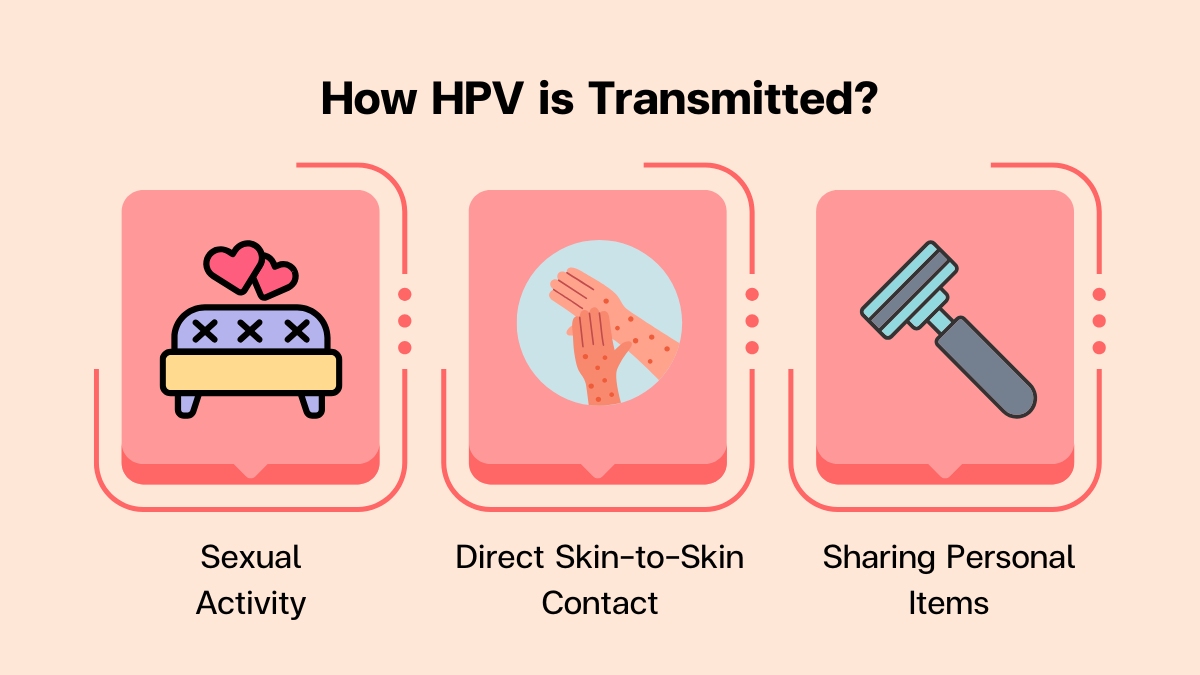
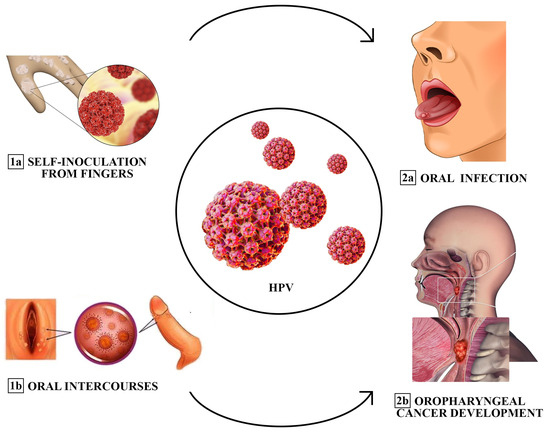
HPV spreads primarily through skin-to-skin contact during vaginal, anal, or oral sex. Unlike infections that require bodily fluids for transmission, HPV can pass even without penetration. That means condoms, while helpful, do not offer full protection against it.
It’s also possible to contract HPV from someone who shows no symptoms. Since many HPV infections are asymptomatic, a partner can unknowingly transmit the virus. This silent spread makes it particularly difficult to detect early unless regular screenings are done.
The Link Between High Partner Count and HPV Risk
Higher Exposure, Higher Odds
The more sexual partners a person has, the more likely they are to encounter someone carrying a high-risk strain of HPV. For men, each new partner represents a potential viral exposure. While one or two encounters may not pose a significant risk, consistent engagement with multiple partners without protection increases the statistical likelihood of infection.
According to a study published in the journal Sexually Transmitted Diseases, men who reported more than five lifetime sexual partners had a significantly higher chance of contracting HPV compared to those with fewer partners. The study found a clear, linear relationship between the number of partners and HPV prevalence.
The Role of Immune Response
Most healthy individuals can clear an HPV infection within two years. However, repeated exposure to different strains—especially in short time frames—can compromise the immune system’s ability to suppress or eliminate the virus. In men, this can increase the risk of persistent infection, which is linked to long-term health complications.
Symptoms and Health Risks in Men

HPV is often referred to as a “silent” virus because many people never experience symptoms. When symptoms do appear, they may include:
-
Genital warts: Small growths or bumps on the penis, scrotum, groin, or anus.
-
Respiratory papillomatosis: Warts that develop in the airways and cause breathing issues (in rare cases).
-
Cancer: Though rare, certain high-risk HPV strains can lead to penile, anal, and oropharyngeal cancers (affecting the throat and tongue).
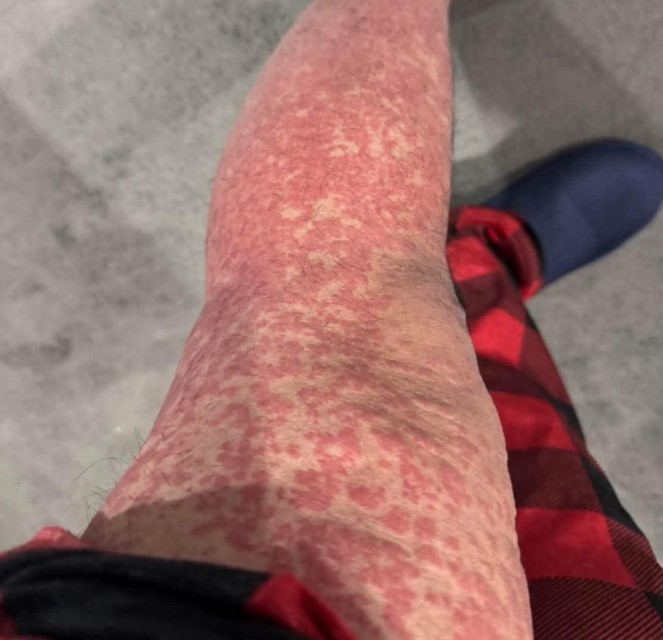
It’s important to note that just because someone has no symptoms doesn’t mean they aren’t contagious. They can still pass the virus on to others, contributing to the cycle of transmission.
The Psychological Impact
:max_bytes(150000):strip_icc()/VWH-GettyImages-1227354275-8dcbcbd66a5e4bb9b90323efb230e363.jpg)
Beyond the physical health implications, testing positive for HPV can also carry emotional weight. Men may experience shame, anxiety, or guilt—especially if they unknowingly transmitted the virus to a partner. Open communication, education, and de-stigmatizing the condition are essential in managing both physical and emotional consequences.
Why HPV Matters Even in Monogamous Relationships

Some individuals assume they’re safe from HPV because they’re currently in a committed relationship. But because the virus can remain dormant for months or even years, it’s possible for someone to test positive long after an earlier encounter. That means even men in monogamous relationships could carry and potentially transmit HPV from past partners.
Prevention Strategies: How Men Can Protect Themselves
1. Limit the Number of Sexual Partners
This may seem obvious, but it’s one of the most effective strategies. Reducing the number of partners minimizes the odds of exposure and the variety of HPV strains one might encounter.
2. Use Protection Consistently
While condoms and dental dams do not guarantee complete protection, they reduce the risk of transmission significantly. Using protection during all types of sexual activity—vaginal, anal, and oral—is key.
3. Get Vaccinated
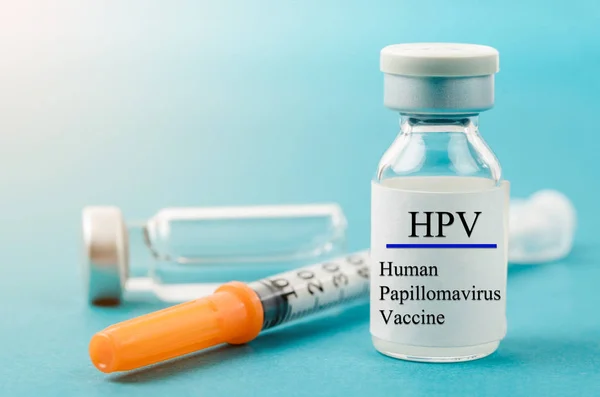
The HPV vaccine is not just for women. In fact, health authorities now recommend that boys as young as 11 or 12 receive the vaccine to protect against the most harmful HPV strains. For men up to age 45, vaccination can still offer benefits, especially for those with multiple partners.
Vaccines like Gardasil 9 protect against the HPV strains responsible for most genital warts and HPV-related cancers.
4. Schedule Regular Health Checkups
While there’s currently no approved HPV test for men outside of clinical trials, routine STI screenings and discussions with a healthcare provider can help manage overall sexual health.
Doctors may perform visual inspections for genital warts or suggest further testing if symptoms arise.
5. Be Honest With Partners
Open and honest communication about sexual history, health status, and protection methods is crucial. This transparency can help couples make informed decisions and reduce mutual risk.
Addressing Common Myths About HPV and Men
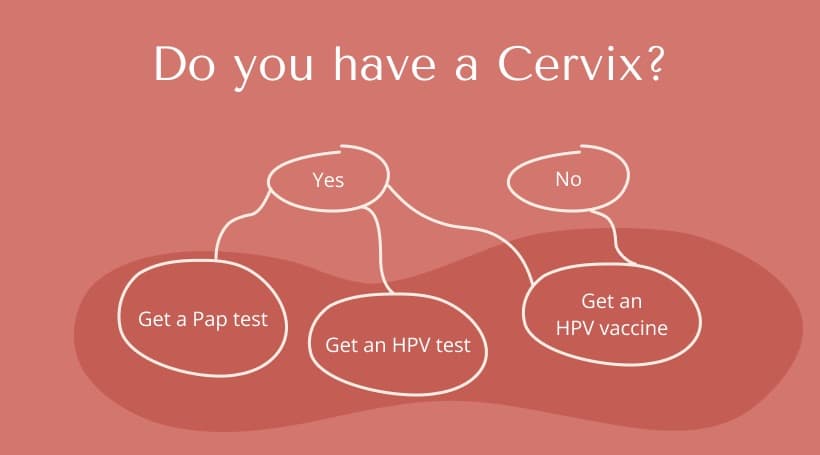
Myth 1: Only women need to worry about HPV.
Truth: Men can suffer from HPV-related cancers and are active carriers of the virus. Their role in preventing transmission is just as important.
Myth 2: HPV only affects promiscuous individuals.
Truth: Anyone who is sexually active—even with one partner—can get HPV. The risk increases with more partners, but no one is immune.
Myth 3: If I don’t have symptoms, I’m not infected.
Truth: Asymptomatic individuals can still carry and transmit the virus.
What to Do If You Think You’ve Been Exposed
If you suspect exposure to HPV—whether through a recent partner or the appearance of symptoms—don’t panic. Most HPV cases resolve naturally. However, seeking medical advice is still important. A doctor can provide guidance, treat any visible symptoms like genital warts, and assess cancer risk if necessary.
If you’re not yet vaccinated, this might also be the right time to consider it.
Long-Term Outlook: Living with HPV
The good news? Most HPV infections clear up on their own without causing serious health problems. The key lies in staying proactive: get vaccinated, reduce risky behaviors, and stay informed. When handled responsibly, HPV doesn’t have to disrupt your health or your relationships.
Remember, knowledge and prevention are the best defenses against the virus.
Final Thoughts
Sleeping with multiple partners may be normalized in today’s dating culture, but it carries undeniable health risks. HPV is a silent but significant concern for men, and ignoring it won’t make it go away.
Whether you’re single, in an open relationship, or simply exploring your options, understanding the connection between partner count and HPV exposure is vital for your health—and that of your future partners.